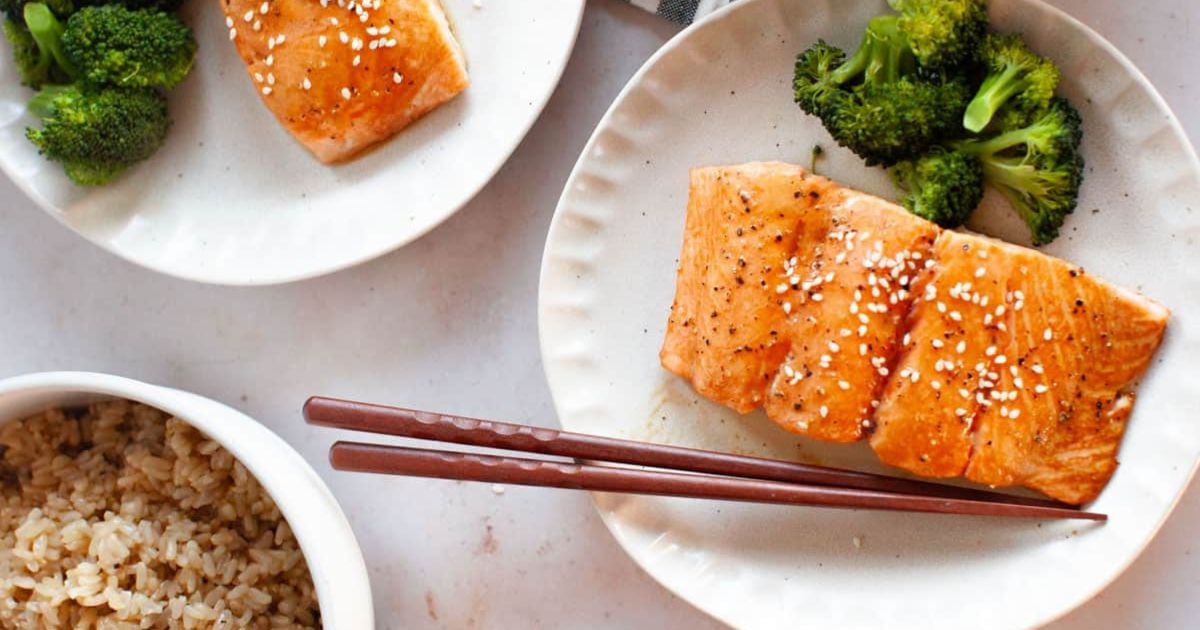
For many home cooks, salmon is a weeknight hero – quick, healthy, and versatile. Yet, achieving that truly spectacular, restaurant-quality dish often feels like a secret held by professional chefs. The truth? The secret isn't in complicated techniques or exotic ingredients, but in the power of a well-crafted marinade. Moving beyond a simple sprinkle of salt and pepper, mastering the art of marinated salmon can elevate your grilling and baking game to dazzling new heights.
If you've ever struggled with salmon that tastes a bit bland, feels too dry, or lacks that irresistible "oomph," you're not alone. I've been there, too. What I've found, through countless kitchen experiments, is that a thoughtful marinade isn't just about adding flavor; it's a fundamental culinary process that transforms the fish, infusing it with moisture, enhancing its texture, and preparing it for a perfect finish. Get ready to unlock the full potential of your salmon fillets and turn everyday meals into memorable culinary experiences.
Why Marinating Salmon is a Game-Changer
Marinating salmon goes far beyond simply adding a superficial layer of flavor. It's a strategic culinary step that offers multiple benefits, directly impacting the taste, texture, and overall appeal of your dish.
- Flavor Infusion: This is the most obvious benefit. A good marinade permeates the salmon's flesh, saturating it with bright, savory, sweet, or spicy notes. Instead of just seasoning the surface, you're flavoring the fish from within, creating a more cohesive and delicious bite.
- Moisture Retention & Tenderness: Acids in marinades, like lemon juice or vinegar, gently break down the protein fibers in the salmon, leading to a more tender texture. Oils help to seal in natural juices and prevent drying out during cooking, ensuring your salmon stays incredibly moist and flaky.
- Enhanced Texture and Browning: Sugars (honey, brown sugar, maple syrup) in a marinade play a crucial role in creating a beautiful, caramelized crust when grilling or baking. This Maillard reaction adds depth of flavor and an appealing visual contrast to the cooked fish, preventing sticking and ensuring a perfect sear.
- Quick & Easy Transformation: Many impactful salmon marinades require just a handful of pantry staples and minimal prep time. With as little as 15-30 minutes of marinating, you can achieve a profound flavor difference, making it a perfect solution for busy weeknights.
The beauty of marinating salmon is its simplicity. You don't need a culinary degree to create impressive, flavorful dishes that taste like they came from a high-end restaurant.
Deconstructing the Perfect Salmon Marinade: Essential Components
Every truly great salmon marinade is a symphony of flavors and functions, built on a few core components. Understanding these elements empowers you to mix and match, creating your own signature blends.
1. The Acid Component: Brightness & Tenderness
Acids are vital for tenderizing and adding a bright, zesty counterpoint to the richness of salmon. They also help to break down surface proteins, allowing other flavors to penetrate more effectively.
- Lemon Juice & Lime Juice: Classic choices that provide a clean, citrusy lift. Lemon zest can also be added for an intensified aroma without excessive acidity.
- Vinegars (Apple Cider, Rice, White Wine): Offer different nuances of tang. Rice vinegar, for instance, is milder and often preferred in Asian-inspired marinades.
Pro Tip: While acids tenderize, too much exposure can "cook" delicate fish like salmon (think ceviche). Aim for a balanced ratio and avoid marinating for excessively long periods (typically no more than 1-2 hours for intense acids, up to 6 hours for milder ones).
2. The Oil Component: Moisture & Flavor Distribution
Oils carry fat-soluble flavors, help keep the fish moist, and prevent sticking during cooking.
- Olive Oil: A staple for its fruity, peppery notes and versatility. Extra virgin is excellent for flavor.
- Sesame Oil: Adds a distinct, nutty, aromatic flavor, particularly suited for Asian-inspired marinades. Use sparingly as it's potent.
- Avocado Oil: A neutral-tasting oil with a high smoke point, great for grilling at higher temperatures.
3. The Savory & Umami Component: Depth of Flavor
These ingredients provide the foundation of savory goodness, giving the marinade its character.
- Soy Sauce (or Tamari for Gluten-Free): Delivers a deep umami punch, perfect for balancing sweet elements.
- Minced Garlic & Ginger: Aromatic powerhouses that add warmth and pungency. Fresh is always best.
- Dijon Mustard: Offers a zesty, slightly pungent kick that emulsifies well with oils and acids, creating a cohesive sauce.
- Salt & Pepper: Essential for seasoning. Salt helps draw moisture into the fish initially, and then aids in retention.
4. The Sweet Component: Balance & Caramelization
Sweeteners are key for balancing acidity and savory notes, and most importantly, for achieving that coveted caramelized crust.
- Honey: A natural sweetener that adds a rich, floral sweetness.
- Brown Sugar: Offers a deeper, molasses-like sweetness and excellent caramelization.
- Maple Syrup: A fantastic alternative with its distinct, earthy sweetness, especially good for glazes.
5. The Aromatic & Spicy Component: Personality & Kick
These additions round out the flavor profile and add a unique twist.
- Fresh Herbs (Parsley, Dill, Cilantro, Thyme): Add freshness and aromatic complexity. Choose herbs that complement your overall flavor profile.
- Lemon Zest: Provides concentrated lemon flavor without adding too much liquid or tartness.
- Red Pepper Flakes / Sriracha: For those who enjoy a little heat.
Easy Marinade Formulas to Master for Marinated Salmon
Now that you know the building blocks, let's explore some incredibly easy yet impactful combinations for marinated salmon that work beautifully for both grilling and baking.
1. The Sweet & Savory Soy-Honey-Garlic Marinade
This is a universally loved blend, perfect for beginners and seasoned cooks alike. It promises a tender, flaky fillet with a gorgeous caramelized exterior.
- Ingredients: ¼ cup soy sauce, 2-3 tablespoons honey (or maple syrup), 1 tablespoon olive oil, 2-3 cloves minced garlic, 1 teaspoon grated fresh ginger (optional), a pinch of red pepper flakes (optional).
- Flavor Profile: Bold, sweet, savory, with a hint of warmth from garlic and ginger.
- Why it Works: The soy sauce provides umami, honey creates a beautiful glaze, and garlic adds aromatic depth. This marinade often doubles as a fantastic basting sauce during cooking.
- Marinating Time: 30 minutes to 1 hour.
2. The Zesty Lemon-Herb Classic Marinade
Bright, fresh, and perfect for showcasing the natural flavor of salmon. This is an excellent choice for a lighter, Mediterranean-inspired meal.
- Ingredients: ¼ cup olive oil, 2-3 tablespoons fresh lemon juice, 1 tablespoon chopped fresh parsley (or dill), 1 clove minced garlic, 1 teaspoon lemon zest, salt and freshly ground black pepper to taste.
- Flavor Profile: Light, fresh, herbaceous, and tangy.
- Why it Works: Olive oil and lemon are a classic pairing, while fresh herbs elevate the aroma and taste. Lemon zest adds a concentrated burst of citrus without overwhelming acidity.
- Marinating Time: 20 minutes to 1 hour. Avoid extended marinating to prevent the acid from "cooking" the salmon.
3. The Tangy Dijon-Maple Marinade with a Kick
This blend offers a sophisticated sweet-tangy flavor with a subtle spicy finish, ensuring your salmon is anything but boring.
- Ingredients: 2 tablespoons Dijon mustard, 2 tablespoons maple syrup (or honey), 1 tablespoon olive oil, 1 tablespoon soy sauce, ½ teaspoon red pepper flakes, salt and pepper.
- Flavor Profile: Sweet, tangy, slightly spicy, and incredibly savory.
- Why it Works: Dijon mustard provides depth and emulsifies the marinade, while maple syrup offers a unique sweetness. Red pepper flakes add a pleasant warmth that cuts through the richness of the salmon.
- Marinating Time: 30 minutes to 1 hour.
Marinating and Cooking Your Salmon Like a Pro
Once you've chosen your marinade, a few simple steps ensure perfect results every time.
Marinating Best Practices:
- Container Choice: Always use a non-reactive container – glass dishes, ceramic, or heavy-duty resealable plastic bags are ideal. Avoid metal bowls, as acids can react with them.
- Keep it Cold: Always marinate salmon in the refrigerator.
- Don't Over-Marinate: As mentioned, salmon is delicate. For most marinades, 20 minutes to 1 hour is sufficient. Longer marinating (up to 6 hours for very mild marinades like garlic-herb with minimal acid) can be done, but keep an eye on it. Over-marinating with strong acids can lead to a mushy or "cooked" texture.
- Pat Dry Before Cooking: Before grilling or baking, remove the salmon from the marinade and gently pat it dry with paper towels. This is crucial for achieving a beautiful sear and crisp skin. Excess moisture will steam the fish instead of allowing it to brown.
- Marinade Safety: Never reuse marinade that has touched raw salmon as a serving sauce unless you boil it thoroughly for at least 5 minutes to kill any bacteria. It's often safer to reserve a small portion of fresh marinade *before* it touches the fish to use as a finishing glaze or basting sauce.
Cooking Your Marinated Salmon: Grilling & Baking Techniques
Whether you prefer the smoky char of the grill or the consistent heat of the oven, your marinated salmon will shine.
Grilling Marinated Salmon:
- Preparation: Preheat your grill to medium-high heat. Ensure your grates are clean and well-oiled to prevent sticking, especially with sugary marinades.
- Cooking: Place salmon skin-side down (if applicable). Grill for 4-6 minutes per side, depending on thickness. Resist the urge to move it too soon; let a crust form for easy release. Basting with fresh marinade (or boiled used marinade) during the last few minutes can enhance flavor and glaze.
- Doneness: Salmon is cooked when it easily flakes with a fork and reaches an internal temperature of 145°F (63°C) at its thickest part.
Baking Marinated Salmon:
- Preparation: Preheat your oven to 400°F (200°C). Line a baking sheet with parchment paper or foil for easy cleanup.
- Cooking: Place salmon fillets on the prepared baking sheet. Bake for 12-18 minutes, depending on thickness and desired doneness. For extra flavor and moisture, you can loosely tent the salmon with foil for the first half of the cooking time, then remove for browning.
- Doneness: Similar to grilling, look for flakiness and an internal temperature of 145°F (63°C).
No matter your cooking method, always avoid overcooking salmon. This is the biggest culprit behind dry, tough fish. A perfectly cooked fillet will be juicy, tender, and melt-in-your-mouth delicious.
Conclusion
Moving beyond plain salmon isn't just about adding ingredients; it's about unlocking a world of flavor and texture that transforms a simple meal into something truly special. With these easy marinade secrets, you have the power to create marinated salmon that is consistently juicy, tender, and bursting with incredible taste, whether you're grilling it for a summer barbecue or baking it for a cozy weeknight dinner. Experiment with the core components, find your favorite combinations, and confidently step into the realm of restaurant-quality seafood right in your own kitchen. Happy cooking!
